Spot the warning signs before your next fire.
Heavy soot, lingering odors, falling debris, and smoke entering your home can signal a chimney problem. These signs may mean your chimney needs cleaning. They can also point to a blockage, poor airflow, or damaged parts.
Wood-burning fireplaces leave soot and creosote inside the chimney. Over time, these deposits can build up along the flue, the passage that carries smoke outdoors.
Here is what to watch for and when to arrange professional help.
Look for changes in how your fireplace smells, burns, and vents smoke. Visible deposits and falling soot also deserve attention.
However, a fireplace that appears to work well may still have hidden buildup. Annual chimney inspections help determine when cleaning is needed. You should not wait for warning signs before scheduling an inspection.
Dark deposits inside your fireplace may indicate a need for professional chimney cleaning.
Soot often looks like a fine black powder. Creosote can appear flaky, sticky, or shiny. It forms when wood smoke cools and leaves residue inside the chimney.
Creosote is combustible. Heavy deposits need professional assessment and appropriate removal.
Only observe areas you can see safely from the floor. Do not climb onto the roof or scrape inside the flue to check its condition.
A smoky or tar-like smell from a cold fireplace can come from creosote deposits. Warm, humid weather may make the odor more noticeable. Air moving down the chimney can carry that smell indoors.
Cleaning may help address deposits that contribute to the odor. However, moisture, airflow problems, or animal activity may also need attention.
Tell your chimney professional when the smell occurs. Mention whether it changes after rain or when you run exhaust fans.
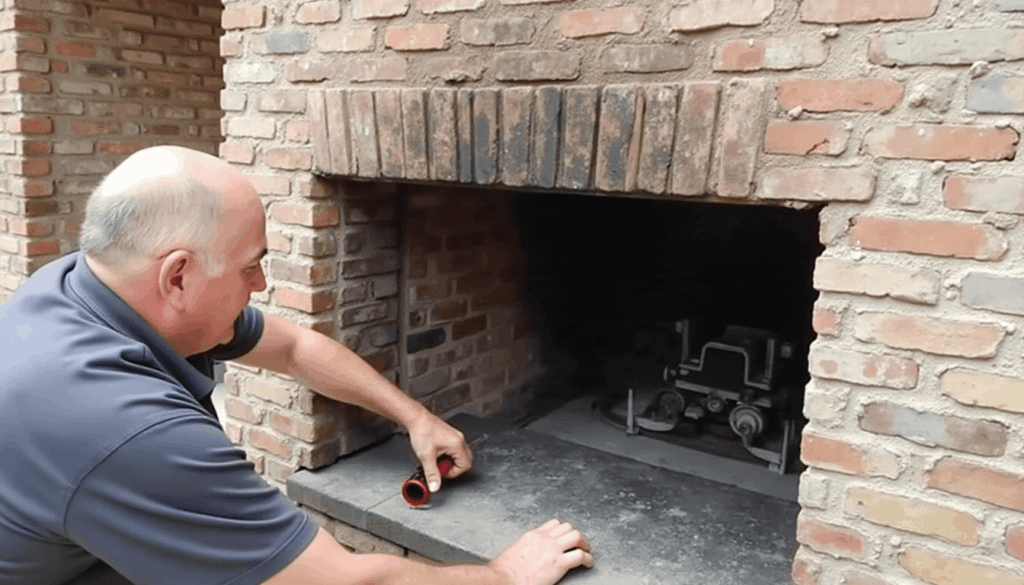
Smoke entering your room means the fireplace is not venting properly. Stop using it until the cause has been assessed.
Soot buildup or debris may restrict the flue. Other possible causes include a closed damper, inadequate air supply, or chimney design problems.
Cleaning alone will not solve every smoke problem. A chimney inspection can help identify the cause and guide the next step.
For more details, read Why Is My Fireplace Smoking Into the House?
A noticeable drop in chimney draft can signal restricted airflow. Draft is the movement that carries smoke and combustion gases outdoors.
You may notice smoke lingering in the firebox or moving upward more slowly than usual.
Deposits and obstructions can affect this movement. Household air pressure and outdoor conditions can also play a role.
Avoid repeated test fires to investigate weak draft. Arrange an assessment before using the fireplace again.
Black flakes collecting beneath the flue may be loose soot or creosote. Recurring deposits deserve professional attention.
Pay attention to the type of material you find. Hard, tile-like pieces or mortar fragments may indicate damaged chimney components.
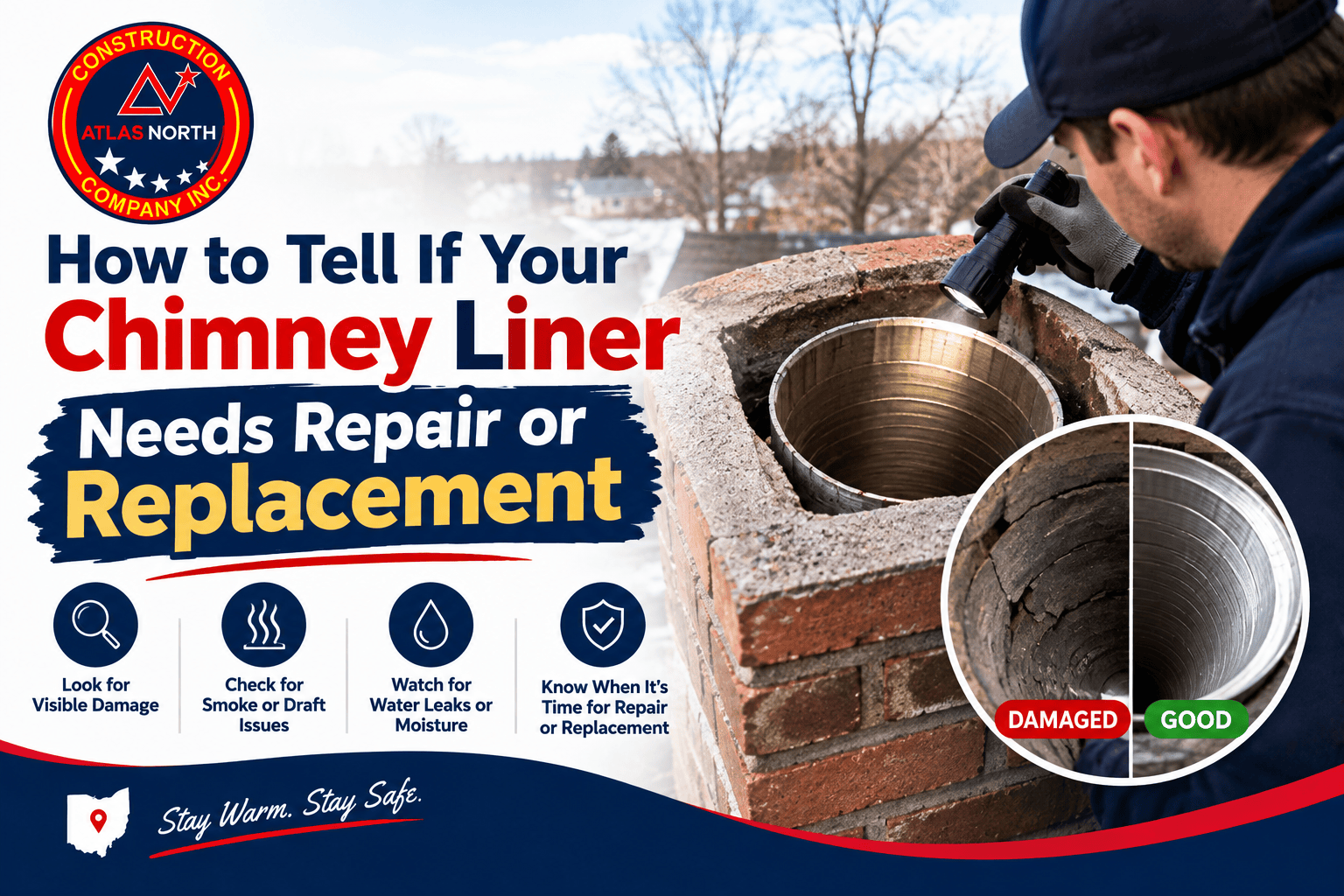
A sweep can remove deposits, but broken parts may need repair. Our Chimney Liners & Flue Repair services address problems that cleaning cannot fix.
Twigs, leaves, or nesting material inside the fireplace may indicate an obstruction above.
Debris can restrict the path that smoke needs to leave your home. Suspected animal activity also calls for professional assessment.
Do not light a fire to burn out a blockage. Avoid reaching into the chimney to remove nesting material.
A chimney cap inspection can help identify how debris entered. Damaged or missing caps may need attention through our Chimney Caps, Chase & Flashing services.
A change in fire performance may point to limited airflow. You might notice that fires struggle, smolder, or go out more often.
However, this symptom does not prove your chimney is dirty. Damp firewood, a damper problem, or insufficient combustion air can cause similar issues.
Use properly seasoned firewood and follow your fireplace’s operating instructions. If problems continue, schedule an inspection before further use.
Stop using your fireplace when smoke enters your home, you suspect a blockage, or debris suggests damaged parts.
Some situations require emergency action:
Do not restart the fireplace after a suspected chimney fire until professionals have assessed the system.
Arrange a chimney inspection at least once a year. Have it cleaned when its condition requires it.
Cleaning needs vary with fireplace use, fuel, burning habits, and deposit buildup. If you recently moved in or do not know the maintenance history, arrange an inspection before use.
Our guide, How Often Should You Have Your Chimney Swept in Ohio?, explains maintenance timing in more detail.
Professional chimney cleaning removes accessible soot and creosote using methods suited to the system.
Ask what your appointment includes. The work may involve:
Inspection scope can vary. Heavy or hardened deposits may require additional treatment. Chimney cleaning logs do not replace professional inspection and sweeping.
Explore our Chimney Cleaning & Creosote Services to arrange help.
Your chimney needs repairs when damaged components affect its condition or function.
Sweeping cannot fix cracked flue tiles, failing mortar, damaged flashing, or water leaks. These problems may require separate work.
Broken liner pieces may need Chimney Liners & Flue Repair. Damp fireplace walls may call for Chimney Waterproofing & Leak Repair. Persistent smoke issues may require Chimney Inspection, Diagnostics & Safety services.
Visible deposits, lingering smells, and changing fireplace performance deserve attention. An assessment can help determine what your chimney needs.
Atlas North Chimney offers cleaning, inspection, and repair services for local homeowners. Our services cover several related chimney concerns.
Call Atlas North Chimney to schedule chimney service in North East Ohio or the surrounding area.