Learn the warning signs, explore your options, and know when to book an inspection.
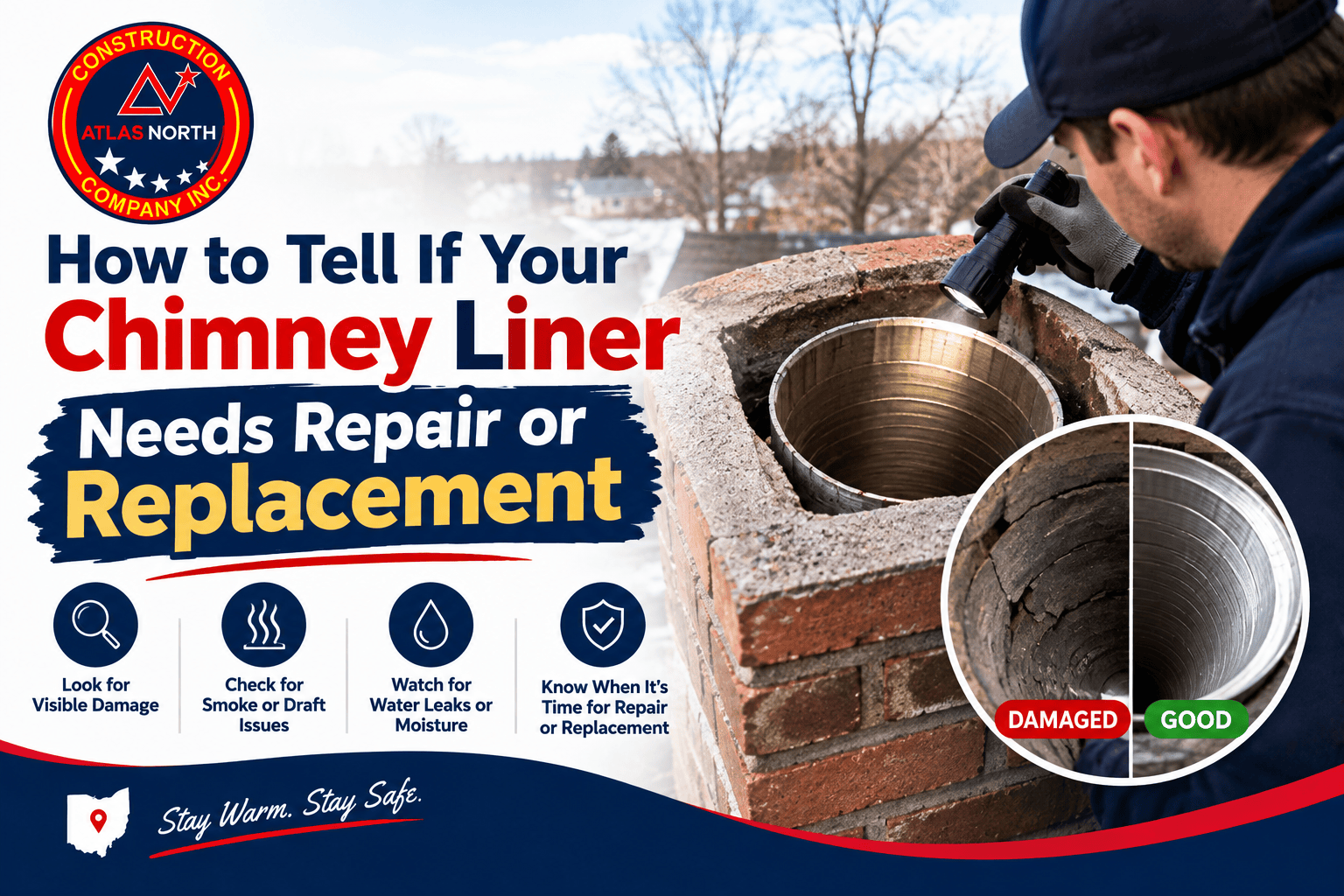
Broken flue tiles, cracks, gaps, or holes can signal chimney liner damage. Smoke entering your home also needs attention. An inspection can find the cause and show whether repair or replacement is needed.
Most of your liner sits out of sight. Your fireplace may look fine while damage develops higher inside the chimney. Here is what to watch for and what to do next.
A chimney liner creates a passage for smoke and exhaust gases to leave your home. It also helps protect the chimney walls from heat and harmful byproducts.
The flue is the passage that carries exhaust outside. The liner forms its inner surface. Its size and condition matter for proper venting.
Common liner types include:
The repair options depend on the liner, chimney, and connected appliance.
Falling tile pieces, cracks, and damaged metal can point to liner problems. Smoke and odors may also signal trouble, though they can have other causes.
Some defects are easy to notice. Others need an internal camera inspection.
Pieces of clay tile in your firebox may come from a damaged liner. They can mean that a flue tile has cracked or started to break apart.
Have a chimney professional find the source. Removing the debris will not fix the cause.
Cracked tiles and missing mortar leave gaps in the liner. These defects may sit far above the fireplace opening.
A quick look from the hearth cannot show the full flue. An internal inspection helps find hidden damage.
Metal liners can develop rust, holes, loose joints, or changes in shape. An inspector must check how far the damage extends.
A stain alone does not prove that replacement is needed. The condition of the whole liner matters.
Smoke backing into a room signals a venting problem. Liner damage is one possible cause. A blockage, poor draft, or indoor air pressure may also be involved.
Do not assume a new liner will solve the issue. An inspection should find the cause first.
Persistent chimney odors also need attention. Our blog, Why Is My Fireplace Smoking Into the House?, explains other possible causes of smoke problems.
A chimney fire can crack clay tiles, damage joints, and warp metal parts. The outside of the chimney may still look normal.
CSIA lists cracked or collapsed flue tiles among the signs professionals check after a suspected chimney fire. Have the system evaluated before using it again.
Heat, water, wear, and installation problems can damage a liner. Finding the cause helps prevent further trouble after repairs.
Extreme heat can harm tiles, joints, and metal liners. A suspected chimney fire calls for a full evaluation before choosing a repair.
Rainwater and acidic condensation can wear down liner materials. Water may enter through damaged chimney parts or form inside the venting system.
Liner work alone may not solve a water problem. You may also need Chimney Waterproofing & Leak Repair to address the source.
A liner must suit the fireplace, stove, or heating appliance it serves. Its size, material, and installation affect venting.
Changing an appliance or fuel type may change those needs. It does not always require a new liner, but the existing system needs a review.
The inspection findings guide the choice. Damage, liner material, chimney condition, and appliance needs all matter.
A small crack does not always mean a simple repair will work. One damaged section also does not mean the whole chimney needs rebuilding.
| Inspection finding | What to consider |
| Damage in a limited area | Whether a suitable repair can restore the liner |
| Widespread cracks or missing sections | Whether relining is needed |
| Severe metal corrosion or holes | Whether the liner needs replacement |
| A liner that does not suit the appliance | Correct liner size and material |
| Liner damage and weak masonry | Liner work plus chimney repairs |
Repair may work when damage is limited and a suitable method can restore the liner.
Ask what the repair will fix and why it suits your chimney. The plan should also address any cause of ongoing damage.
A new liner may be needed when damage is widespread or the existing liner cannot serve the appliance safely.
Chimney relining often means fitting a new liner inside an existing masonry chimney. It does not always involve rebuilding the chimney.
Our Chimney Liners & Flue Repair services can help address damaged liners and related flue concerns.
An inspection checks areas you cannot see from the fireplace. It also helps separate liner damage from other venting problems.
An internal camera can help reveal:
Cleaning may be needed to uncover surfaces hidden by soot or creosote. Sweeping removes buildup, but it does not repair cracks or holes.
A Level 2 inspection includes an internal video scan or a similar examination. CSIA recommends this level before lining or relining a chimney. It also applies to certain appliance changes and events that may have caused damage.
Our Chimney Inspection Services can help identify issues that need further attention.
Ask these questions before approving the work:
Stop using the connected fireplace or appliance until a qualified professional checks it. Do not light another fire to test the draft.
Tell the inspector about falling debris, smoke, water leaks, or any suspected chimney fire. These details help guide the evaluation.
If a carbon monoxide alarm sounds, leave the home right away and contact emergency services.
The price depends on the damage and the work needed. Access to the chimney also affects the cost.
Key factors include:
Ask for an estimate that explains the work and materials. A clear scope makes quotes easier to compare.
Start with an inspection so you can make an informed choice about repairs.
The process should cover four steps:
Atlas North Chimney serves North East Ohio, and surrounding communities within 20 miles.
Concerned about your chimney liner? Call (216) 242-7740 to schedule an evaluation.