Atlas-North-Chimney

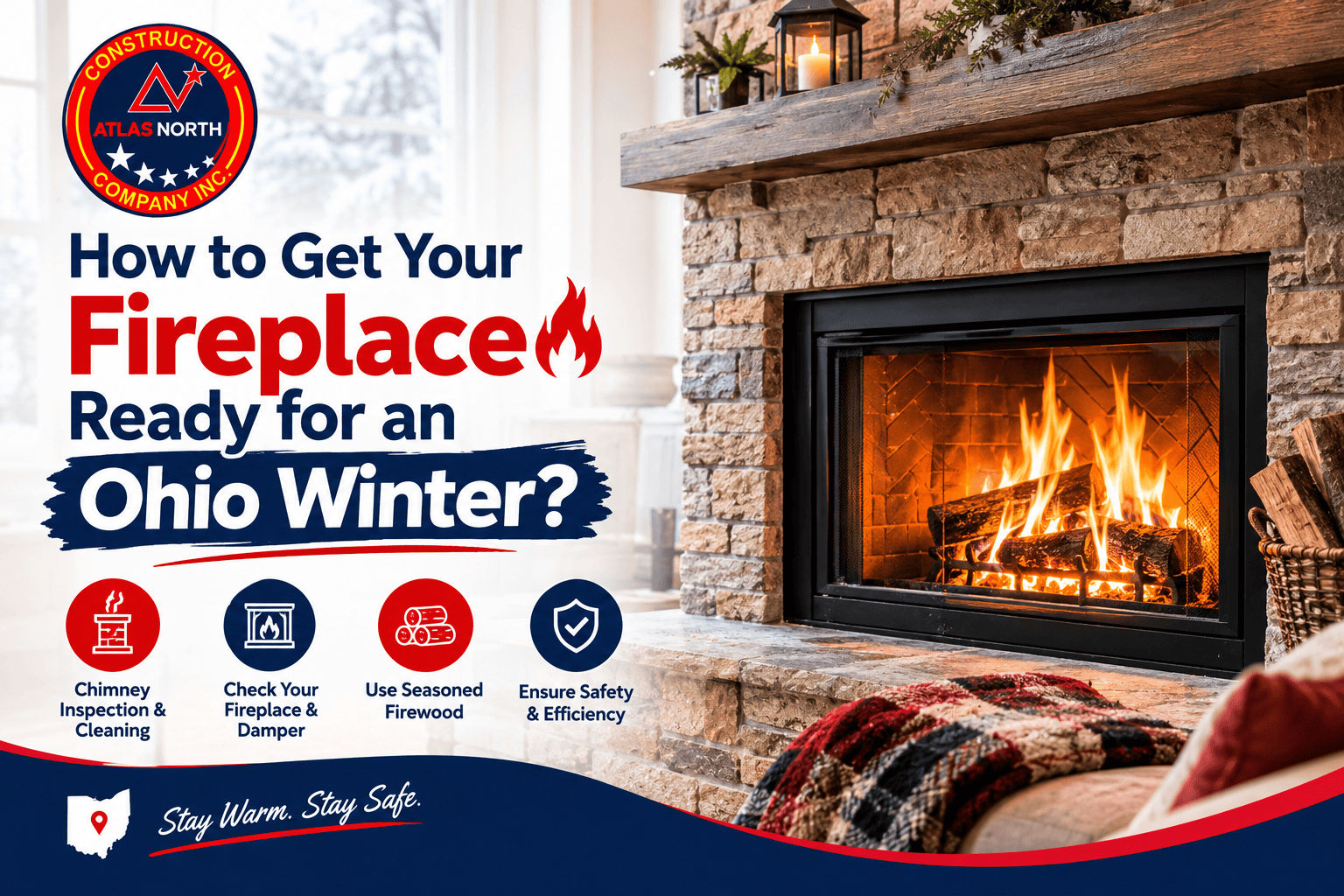
How to Get Your Fireplace Ready for an Ohio Winter?

Simple Steps Before Your First Winter Fire Get your fireplace ready for winter with an inspection, cleaning if needed, and timely repairs. Then check your alarms, clear the hearth, and prepare the right fuel. Ohio winters bring snow, rain, and freezing weather. These conditions can worsen chimney leaks and cracks. Taking care of problems early gives you time to fix them before your first fire. This guide covers the main steps for wood-burning and gas fireplaces in Mayfield Heights and nearby communities. Why Should You Prepare Your Fireplace Before Winter? Preparing early helps you find problems before you use the fireplace. A clean-looking hearth does not mean the chimney is ready. Creosote, loose debris, or animal nests may sit inside the flue. Cracks and water damage can also develop while the fireplace is out of use. Book your inspection before your first planned fire. Allow time for any cleaning or repairs. Start With a Chimney and Fireplace Inspection A professional inspection helps find damage, buildup, and venting problems. The Chimney Safety Institute of America recommends annual inspections. Cleaning and repairs depend on what the inspection finds. What Will Your Chimney Professional Check? The checks depend on your fireplace and the inspection level. They may include: The firebox, where the fire burns. The flue liner, which lines the chimney passage. The damper, which controls the flue opening. Soot, creosote, and blockages. Accessible caps, crowns, and brickwork. Signs of leaks. Tell the technician about smoke, stains, strange smells, or past chimney fires. Mention any changes to the fireplace, too. Atlas North Chimney provides chimney inspections and diagnostics to help identify needed work. Have Creosote, Soot, and Blockages Removed Chimney cleaning removes deposits and debris from the venting system. Your inspection helps show whether sweeping is needed. Why Does Creosote Matter? Creosote is a residue from burning wood. It can collect inside the chimney and catch fire. Wet wood and poor burning conditions can increase buildup. Professional sweeping removes these deposits. Chimney cleaning logs do not replace an inspection or proper cleaning. What Can Block a Chimney? Leaves, nesting material, and other debris can block the flue. This can stop smoke and gases from leaving as they should. Leave blockage removal and roof access to a qualified professional. Our chimney cleaning and creosote services address deposits and debris found during the assessment. Fix Chimney Leaks Before Freezing Weather Repairing leaks helps protect your chimney through winter. Water can enter cracks in bricks and mortar. When it freezes, it expands and can make the damage worse. Look for Damage From the Ground Watch for: Flaking or broken bricks. Loose or missing mortar. Fallen masonry pieces. Damp areas around the fireplace. Water stains near the chimney. Have a professional check the chimney crown, too. This top surface helps keep water out of the masonry. Check Caps, Chase Covers, and Flashing Each part helps protect a different area. A chimney cap helps keep rain and animals out of the flue. A chase cover protects the top of a chimney enclosure. Flashing helps seal the area where the chimney meets the roof. Our chimney masonry repair and chimney leak repair services address the source of damage. Waterproofing alone cannot fix broken flashing or loose masonry. Prepare Your Wood-Burning Fireplace Use dry firewood, check the fireplace parts, and handle ashes with care. Choose Dry, Seasoned Firewood Dry wood burns better than wet logs. Use a moisture meter to check it. Test the inside face of a freshly split piece. EPA guidance recommends wood with a moisture level below 20%. Store firewood off the ground. Cover the top to keep rain out. Leave space around the stack for air to flow. Never burn painted wood, treated lumber, plastic, or household trash. Check the Damper, Grate, and Screen Make sure the damper opens properly before lighting a wood fire. Keep it open while the fire burns and until all embers are fully out. Check the grate and screen for damage. Follow your fireplace manual for glass doors and airflow controls. Remove Cold Ashes Safely Let ashes cool before moving them. Put them in a metal container with a tight-fitting lid. Store the container outdoors, away from your home and anything that can burn. Hidden embers can stay hot after a fire looks finished. Prepare Your Gas Fireplace or Gas Log Set Gas fireplaces need regular care, even though they do not leave wood ash. Follow the service schedule in your appliance manual. Ask a qualified technician to check the burners, ignition, controls, and venting where fitted. Report problems such as: Trouble lighting the fireplace. Repeated shutdowns. Unusual soot. Delayed ignition. Do not move gas logs or adjust gas parts yourself. Each model has its own setup and venting needs. Our gas log fireplace repair service can help with operating problems. If you smell gas, leave the home. Call your gas provider or emergency services from outside. Test Your Alarms and Clear the Hearth Test smoke and carbon monoxide alarms before fireplace season. Continue testing them monthly. Follow the maker’s instructions for batteries and alarm replacement. Keep furniture, curtains, decorations, and firewood at least three feet from the fireplace. Follow any greater distance listed in your fireplace manual. Keep children and pets away from hot surfaces. Review your home escape plan. If a carbon monoxide alarm sounds, get everyone outside and call 911. Wait for emergency responders to say it is safe to return. Watch for Problems During Your First Winter Fire Use the fireplace only after completing needed inspections, cleaning, and repairs. Follow the appliance instructions and never leave a fire unattended. Stop using the fireplace if you notice: Smoke entering the room. Falling debris or visible damage. Persistent unusual odors. Repeated gas fireplace shutdowns. Smoke spillage may involve fuel, airflow, draft, or chimney problems. A professional assessment can identify the cause. If you suspect a chimney fire, evacuate and call 911. Have the system inspected before using it again. Our Process for Winter Fireplace Preparation Winter preparation starts with your fireplace’s condition and service history. Discuss your concerns. Tell us about leaks, smoke, or trouble using the fireplace. Inspect the system. We assess accessible parts and explain our findings. Review needed work. We discuss cleaning, repairs, or further checks. Plan the next steps. We explain the recommended work and maintenance needs. Your Quick Winter Fireplace Checklist Before lighting your first fire: Book your annual inspection. Complete needed cleaning and repairs. Prepare dry wood or arrange gas fireplace service. Check the damper, grate, and screen. Test smoke and carbon monoxide alarms. Move items away from the hearth. Get Your Fireplace Ready With Atlas North Chimney Take care of fireplace problems before cold weather arrives. Atlas North Chimney helps homeowners in Mayfield Heights and nearby areas with inspections, cleaning, and repairs. Call (216) 242-7740 to schedule your chimney and fireplace inspection.

Simple Steps Before Your First Winter Fire

Get your fireplace ready for winter with an inspection, cleaning if needed, and timely repairs. Then check your alarms, clear the hearth, and prepare the right fuel.

Ohio winters bring snow, rain, and freezing weather. These conditions can worsen chimney leaks and cracks. Taking care of problems early gives you time to fix them before your first fire.

This guide covers the main steps for wood-burning and gas fireplaces in North East Ohio and nearby communities.

Why Should You Prepare Your Fireplace Before Winter?

Preparing early helps you find problems before you use the fireplace. A clean-looking hearth does not mean the chimney is ready.

Creosote, loose debris, or animal nests may sit inside the flue. Cracks and water damage can also develop while the fireplace is out of use.

Book your inspection before your first planned fire. Allow time for any cleaning or repairs.

Start With a Chimney and Fireplace Inspection

A professional inspection helps find damage, buildup, and venting problems. The Chimney Safety Institute of America recommends annual inspections. Cleaning and repairs depend on what the inspection finds.

What Will Your Chimney Professional Check?

The checks depend on your fireplace and the inspection level. They may include:

  • The firebox, where the fire burns.
  • The flue liner, which lines the chimney passage.
  • The damper, which controls the flue opening.
  • Soot, creosote, and blockages.
  • Accessible caps, crowns, and brickwork.
  • Signs of leaks.

Tell the technician about smoke, stains, strange smells, or past chimney fires. Mention any changes to the fireplace, too.

Atlas North Chimney provides chimney inspections and diagnostics to help identify needed work.

Have Creosote, Soot, and Blockages Removed

Chimney cleaning removes deposits and debris from the venting system. Your inspection helps show whether sweeping is needed.

Why Does Creosote Matter?

Creosote is a residue from burning wood. It can collect inside the chimney and catch fire. Wet wood and poor burning conditions can increase buildup.

Professional sweeping removes these deposits. Chimney cleaning logs do not replace an inspection or proper cleaning.

What Can Block a Chimney?

Leaves, nesting material, and other debris can block the flue. This can stop smoke and gases from leaving as they should.

Leave blockage removal and roof access to a qualified professional. Our chimney cleaning and creosote services address deposits and debris found during the assessment.

Fix Chimney Leaks Before Freezing Weather

Repairing leaks helps protect your chimney through winter. Water can enter cracks in bricks and mortar. When it freezes, it expands and can make the damage worse.

Look for Damage From the Ground

Watch for:

  • Flaking or broken bricks.
  • Loose or missing mortar.
  • Fallen masonry pieces.
  • Damp areas around the fireplace.
  • Water stains near the chimney.

Have a professional check the chimney crown, too. This top surface helps keep water out of the masonry.

Check Caps, Chase Covers, and Flashing

Each part helps protect a different area.

A chimney cap helps keep rain and animals out of the flue. A chase cover protects the top of a chimney enclosure. Flashing helps seal the area where the chimney meets the roof.

Our chimney masonry repair and chimney leak repair services address the source of damage. Waterproofing alone cannot fix broken flashing or loose masonry.

Prepare Your Wood-Burning Fireplace

Use dry firewood, check the fireplace parts, and handle ashes with care.

Choose Dry, Seasoned Firewood

Dry wood burns better than wet logs. Use a moisture meter to check it. Test the inside face of a freshly split piece.

EPA guidance recommends wood with a moisture level below 20%.

Store firewood off the ground. Cover the top to keep rain out. Leave space around the stack for air to flow.

Never burn painted wood, treated lumber, plastic, or household trash.

Check the Damper, Grate, and Screen

Make sure the damper opens properly before lighting a wood fire. Keep it open while the fire burns and until all embers are fully out.

Check the grate and screen for damage. Follow your fireplace manual for glass doors and airflow controls.

Remove Cold Ashes Safely

Let ashes cool before moving them. Put them in a metal container with a tight-fitting lid.

Store the container outdoors, away from your home and anything that can burn. Hidden embers can stay hot after a fire looks finished.

Prepare Your Gas Fireplace or Gas Log Set

Gas fireplaces need regular care, even though they do not leave wood ash. Follow the service schedule in your appliance manual.

Ask a qualified technician to check the burners, ignition, controls, and venting where fitted.

Report problems such as:

  • Trouble lighting the fireplace.
  • Repeated shutdowns.
  • Unusual soot.
  • Delayed ignition.

Do not move gas logs or adjust gas parts yourself. Each model has its own setup and venting needs.

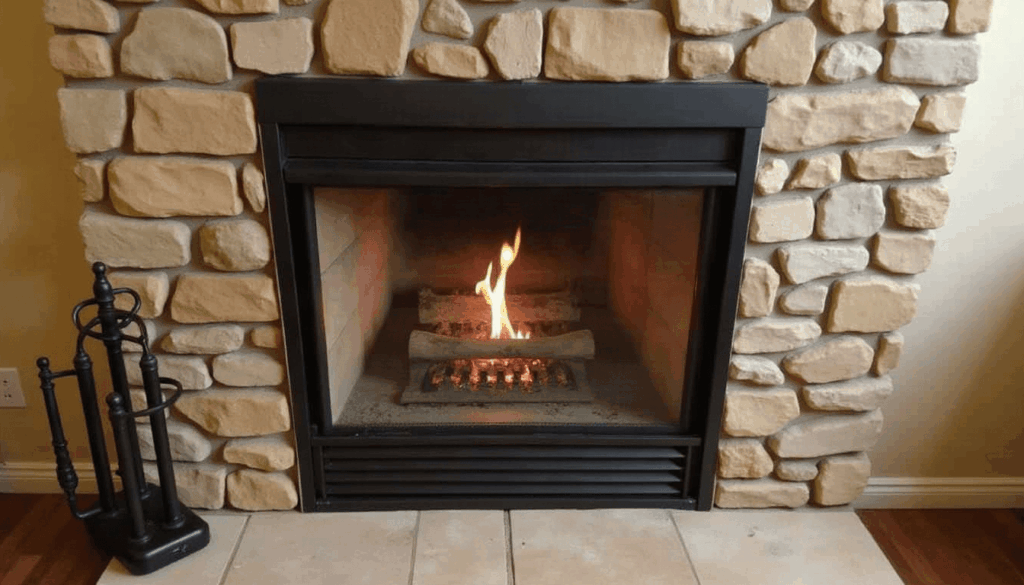
Our gas log fireplace repair service can help with operating problems. If you smell gas, leave the home. Call your gas provider or emergency services from outside.
 gas log fireplace repair service

Test Your Alarms and Clear the Hearth

Test smoke and carbon monoxide alarms before fireplace season. Continue testing them monthly. Follow the maker’s instructions for batteries and alarm replacement.

Keep furniture, curtains, decorations, and firewood at least three feet from the fireplace. Follow any greater distance listed in your fireplace manual. Keep children and pets away from hot surfaces.

Review your home escape plan. If a carbon monoxide alarm sounds, get everyone outside and call 911. Wait for emergency responders to say it is safe to return.

Watch for Problems During Your First Winter Fire

Use the fireplace only after completing needed inspections, cleaning, and repairs. Follow the appliance instructions and never leave a fire unattended.

Stop using the fireplace if you notice:

  • Smoke entering the room.
  • Falling debris or visible damage.
  • Persistent unusual odors.
  • Repeated gas fireplace shutdowns.

Smoke spillage may involve fuel, airflow, draft, or chimney problems. A professional assessment can identify the cause.

If you suspect a chimney fire, evacuate and call 911. Have the system inspected before using it again.

Our Process for Winter Fireplace Preparation

Winter preparation starts with your fireplace’s condition and service history.

  1. Discuss your concerns. Tell us about leaks, smoke, or trouble using the fireplace.
  2. Inspect the system. We assess accessible parts and explain our findings.
  3. Review needed work. We discuss cleaning, repairs, or further checks.
  4. Plan the next steps. We explain the recommended work and maintenance needs.

Your Quick Winter Fireplace Checklist

Before lighting your first fire:

  • Book your annual inspection.
  • Complete needed cleaning and repairs.
  • Prepare dry wood or arrange gas fireplace service.
  • Check the damper, grate, and screen.
  • Test smoke and carbon monoxide alarms.
  • Move items away from the hearth.

Get Your Fireplace Ready With Atlas North Chimney

Take care of fireplace problems before cold weather arrives. Atlas North Chimney helps homeowners in North East Ohio and nearby areas with inspections, cleaning, and repairs.

Call (216) 242-7740 to schedule your chimney and fireplace inspection.

Recent Posts

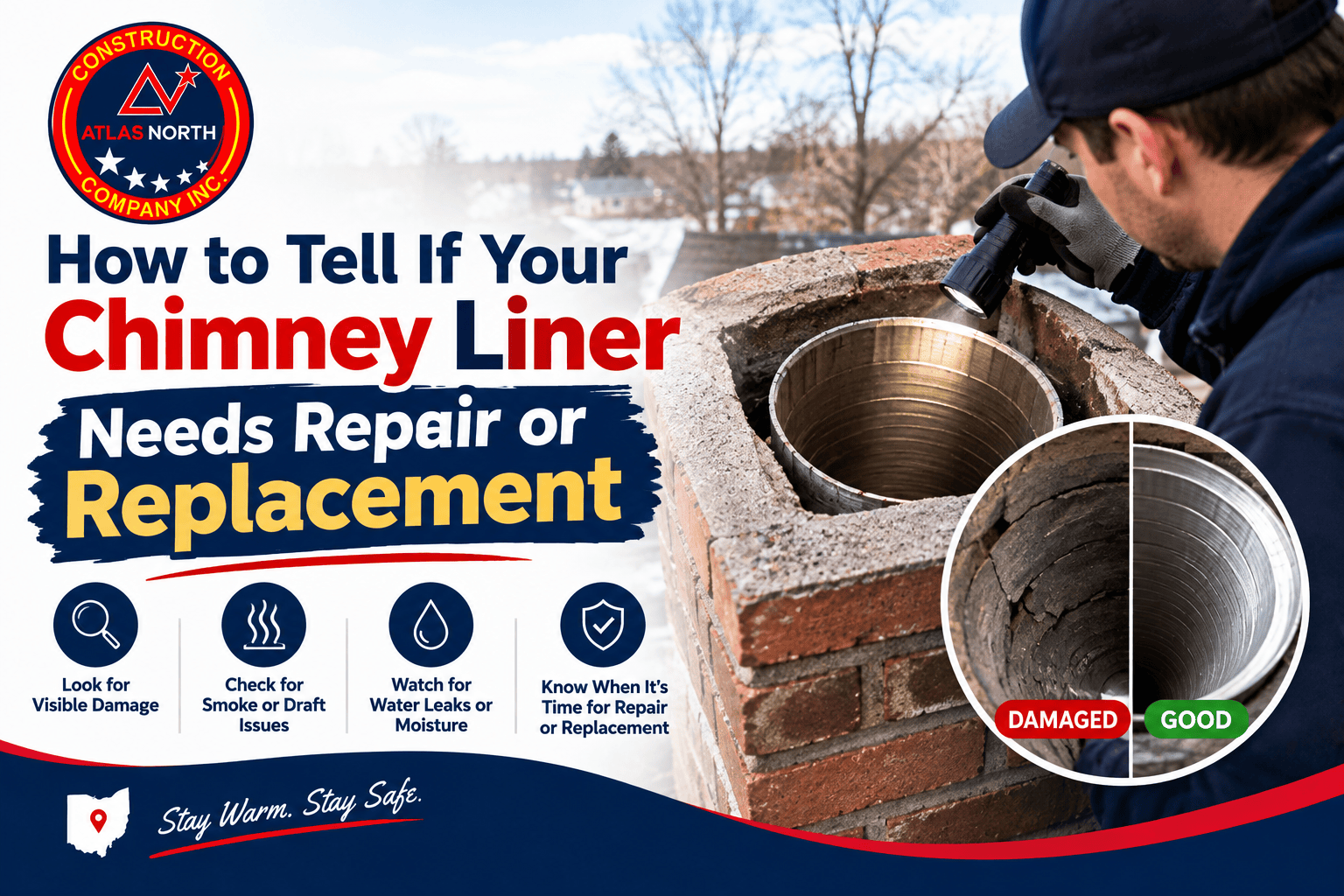
How to Tell If Your Chimney Liner Needs Repair or Replacement
Learn the warning signs, explore your options, and know when to book an inspection. Broken flue tiles, cracks, gaps, or holes can signal chimney liner damage. Smoke entering your home…
Read more

How to Get Your Fireplace Ready for an Ohio Winter?
Simple Steps Before Your First Winter Fire Get your fireplace ready for winter with an inspection, cleaning if needed, and timely repairs. Then check your alarms, clear the hearth, and…
Read more

How Often Should You Have Your Chimney Swept in Ohio?
A Simple Guide to Cleaning Frequency, Creosote Buildup, and Seasonal Fireplace Care Have your chimney inspected every year and swept when deposits or blockages make cleaning necessary. If you burn…
Read more

7 Signs Your Chimney Needs Professional Cleaning
Spot the warning signs before your next fire. Heavy soot, lingering odors, falling debris, and smoke entering your home can signal a chimney problem. These signs may mean your chimney…
Read more

Follow Us

Atlas-North-Chimney
Atlas North Chimney provides chimney sweeping, inspections, repairs, and fireplace services in North East Ohio. Contact us for routine maintenance, chimney concerns, or your next fireplace project.
Copyright © 2026 Atlas North Chimney. All Rights Reserved.
Digital Marketing Agency by
Webzstore-Solutions-Best-Digital-Marketing-Agency