
Have your chimney inspected every year and swept when deposits or blockages make cleaning necessary. If you burn wood often, your chimney may need attention more than once during the heating season.
Your cleaning schedule depends on how you use your fireplace. Fuel quality, burning habits, and the condition of the flue also matter.
For homeowners in North East Ohio, the best approach is simple: plan an annual inspection, then follow a cleaning schedule based on your system’s condition.
Schedule sweeping based on the deposits and obstructions found during inspection. A calendar reminder helps you arrange service, but it cannot tell you how much buildup is inside the flue.
An occasional fire still leaves soot and combustion residue. Old deposits may remain from previous seasons, too.
Have the chimney inspected each year, even if you only light a few fires. The inspection helps determine whether fireplace and chimney cleaning is due.
Frequent burning can cause deposits to build up sooner. Tell your chimney professional if you use a fireplace, wood stove, or insert for daily heat.
Ask whether a midseason check makes sense for your household. Follow the appliance manufacturer’s maintenance instructions as well.
Gas fireplace maintenance differs from wood-burning chimney sweeping. The service needed depends on the appliance and its venting system.
Unused chimneys can also develop problems. Debris, animal activity, and deterioration may affect the passageway. Arrange an inspection before returning a long-unused fireplace to service.
Your burning habits, firewood, and venting system all affect chimney sweeping frequency.
Daily fires put more combustion products through the flue than occasional use. Longer burning periods can also change your maintenance needs.
Share your typical burning routine during service. Mention any increase in use since the last cleaning.
Wet wood and smoldering fires can increase creosote buildup. Use dry, seasoned firewood and operate your appliance as directed.
EPA wood-burning guidance recommends firewood with moisture below 20%. A wood moisture meter helps check whether logs are ready to burn.
The flue carries smoke and combustion gases outdoors. Problems with airflow, appliance setup, or the liner can affect how the system works.
Repeated smoke problems deserve an assessment. Sweeping alone may not resolve the underlying cause.
Changes in smoke, odors, or draft mean you should arrange an assessment before your next planned visit.
Watch for:
These signs do not all point to the same problem. Stop using a smoking or suspected blocked fireplace until a qualified professional checks it.
If you suspect an active chimney fire, leave the home and call 911.
CSIA inspection guidance recommends sweeping when buildup reaches ⅛ inch or more. Shiny, hardened deposits also need professional attention. Do not wait for a thick layer before asking for advice.
Creosote is a combustible residue from wood burning. Its texture can range from flaky to sticky or hardened. A professional can assess the deposits and recommend an appropriate removal method.
Arrange an inspection and any needed cleaning before you return to regular fireplace use. Choose a date that leaves time for repairs if the inspection finds a problem.
Service after the burning season gives you time to address deposits and discuss lingering fireplace odors.
It also allows room in your schedule for masonry, liner, or other repairs before you need the fireplace again.
If you have not arranged service earlier, book before your first fall fire.
During winter, pay attention to changes in performance. Increased fireplace use may justify an earlier follow-up rather than waiting until next year.
Sweeping removes deposits and debris. An inspection evaluates the chimney and venting system.
Professional chimney cleaning may address accessible soot and creosote in the flue, smoke chamber, and other serviceable areas. An inspection checks conditions within its agreed scope and identifies concerns that may need further evaluation.
Cleaning does not repair cracked flue tiles or damaged masonry. Atlas North Chimney’s chimney inspection and diagnostics services can help identify the appropriate next step.
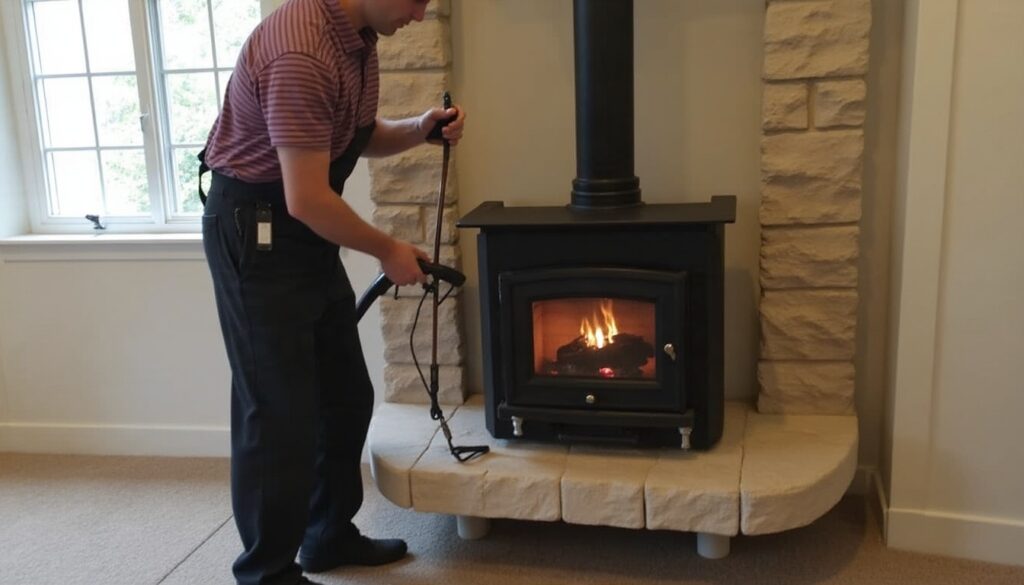
A sweeping visit generally includes a discussion of fireplace use, preparation of the work area, cleaning, and a review of findings. Confirm what your appointment includes when booking.
Explain how often you burn fires and what fuel you use. Share any concerns about smoke, odors, or previous repairs.
The professional protects the work area and uses suitable brushes, tools, and collection equipment to remove accessible deposits.
Some obstructions or hardened creosote may require additional work.
Ask what was found and whether any concerns remain. Get guidance on your next inspection and cleaning interval.
For deposit removal, ask about Atlas North Chimney’s chimney cleaning and creosote services.
Good burning habits can help limit deposits and support better fireplace performance.
These habits support annual chimney maintenance. They do not replace an inspection or necessary sweeping.
Unsure when your chimney was last cleaned? Start with an inspection and a discussion of how you use your fireplace.
Atlas North Chimney provides professional chimney services in North East Ohio and surrounding communities. From chimney soot removal to flue repairs, the right service starts with understanding your system.
Call (216) 242-7740 to schedule chimney service before your next burning season.